Senior-Friendly Residential Moving: Compassionate Services and Tips
A senior move is part logistics, part life transition. The boxes matter, but so do the stories inside them. The pace is different, the risks are higher, and the details that get skipped during an average apartment move can become real problems when mobility, medication schedules, and decades of belongings are in play. The best senior relocations blend precise residential moving practices with patience and care.
What makes a senior move different
Most residential moving follows a predictable script. Senior moves add layers. Health considerations can dictate the timeline and the packing sequence. Medications need to remain accessible and correctly labeled. Accessibility at both homes affects how crews load, protect, and place furniture. Heirlooms and photo archives require extra documentation, not only for value but for peace of mind.
Decision fatigue shows up sooner when you are sorting thirty or forty years of belongings. For a son or daughter acting under a power of attorney, paperwork can be as heavy as furniture. A good plan anticipates this by staggering decisions over weeks rather than days, and by building in rest time. Unlike quick student or corporate relocations, senior moves also interact with community rules. Many 55 plus communities set quiet hours and require elevator reservations or gate codes. Ignoring that detail can stall a truck in the driveway at the worst possible moment.
A workable timeline that respects energy
I have seen six weeks function as a sweet spot for local residential moving. It leaves enough time to rightsize, confirm services, and notify doctors and banks without letting the project sprawl. Eight weeks feels easier for long distance moving, particularly when coordinating late-stage medical appointments.
One Mesa family started with a Friday afternoon tea and a single goal, clearing a guest room closet. They finished in ninety minutes with three bags to donate and one box to keep. The win was small, but it created momentum. That pace, two compact sessions a week, got them through the whole house in five weeks with no marathon days and no back strain.
A short senior-move checklist that actually helps
- Confirm scope with your chosen residential moving company, including packing services and any special handling for medical equipment or mobility aids.
- Build a “day of move” essentials kit, medication plus three days of clothing, toiletries, phone chargers, hearing aid batteries, and labeled pet supplies.
- Photograph any high-value items and note existing wear for documentation, then pack them yourself or have them crated.
- Reserve elevators, loading zones, and gate access codes for both locations, and notify neighbors if parking will be tight.
- Schedule donation pickups and shredding early so cleared items leave the house on a set timetable.
Rightsizing without regret
Rightsizing is not about stripping a home bare. It is about shaping a new space that works. The most successful approach uses small, frequent sessions and a repeatable system. Color tags for keep, donate, and undecided save time. Photographing collections helps you remember what you let go and what you kept. For fragile heirlooms, combine records, a clear description and at least two photos. That way, if an insurance question arises, you do not have to rely on memory.
Another practical tactic, pre-fit the new space on paper. Measure major pieces and sketch the new home’s rooms. A taped outline on the floor shows quickly whether the full dining set fits, or if two leaves can go to a granddaughter. Seniors often want the buffet because it holds family history, not just dishes. If it does not physically fit, a smaller chest paired with wall shelves can carry the same rituals.
Safety first on moving day
Falls and dehydration are the two most predictable risks on a senior move. Reduce trip hazards by staging boxes against walls and keeping pathways clear. Tape down any loose rugs days before the crew arrives or remove them completely. Create a rest zone with a sturdy chair and water near the exit path, then keep a light snack in reach. Assign a single person to handle the essentials kit and medication bag so it never wanders to the truck.
If pets are in the home, set them up in a quiet room with a sign on the door. Sudden noise and open doors can make a calm animal bolt. Movers appreciate it too, since they can focus on safe lifting without worrying about a cat slipping out.
Packing that protects memories and joints
Packing services save time, which matters, but they also reduce strain. The right carton for the right item is half the battle. Books need small cartons so weight stays manageable. China requires double-wall dish packs and plenty of wrap, with plates filed vertically rather than stacked flat. For framed photos, use picture cartons and corner protectors, one picture per slot. Labeling needs to be specific, not just bedroom but main bedroom, north wall nightstand, or dresser top drawer. That phrasing sounds fussy until move-in day, when it keeps the setup crew from guessing.
Televisions and glass-top tables need their original cartons if available. If not, a professional crate or at least a foam-suspended pack prevents pressure points. Recliners and lift chairs benefit from a protective bag and a simple photo of cable routing before disassembly. People underestimate how often we need those photos when putting complex furniture back together inside a narrow room.
For medications and medical devices, pack a dedicated tote. Keep original bottles with labels. If a refrigerator packing services is involved for insulin or biologics, set up a small cooler with gel packs and test it the day before. Do not bury CPAP hoses and masks in general boxes. Put them with bedding so the first night’s sleep does not turn into a scavenger hunt.
Storage services when timing does not line up
Move-out dates and move-in dates do not always match. Storage services bridge that gap, but not all storage is equal. In Mesa, heat during the summer months can top 110 degrees. High heat affects wood finishes, leather, varnishes, candle wax, and some plastics. If the gap is more than a week and you care about finish quality, ask for climate-controlled storage and confirm what climate-controlled means in practice. Typical ranges are 55 to 80 degrees with humidity management. If you are storing artwork, vinyl records, or vintage electronics, that range matters.
Load planning for storage differs from a direct move. Ask crews to palletize or vault items by room so retrieval is clean. Inventory lists, signed at load, reduce confusion six weeks later when you want only the cedar chest and the winter coats back before the rest of the shipment.
How HomeLove Movers - AZ plans for senior moves
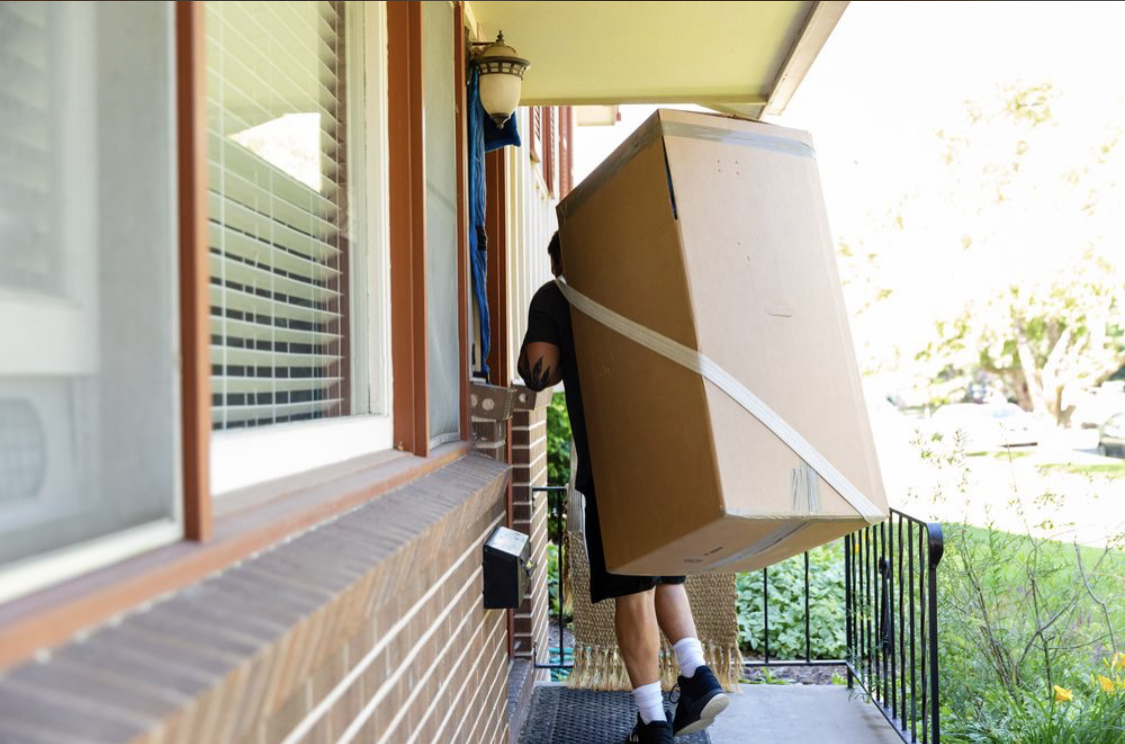
Over time, crews learn that compassion speeds a job as surely as strong backs. At HomeLove Movers - AZ, the most successful senior moves start with a walk-through that maps both the physical layout and the personal priorities, the tea set that must ride in the client’s car, the recliner that must be last on the truck and first off, the photos that ownership wants to rehang before bedtime. On local residential moving in Mesa, we often push call times earlier during hot months to keep heavy carries off the pavement by midday. It helps the crew, but it helps clients even more.
The office team reserves elevators and loading docks ahead of time, places felt on chair feet, and protects door jambs with pads to prevent scuffs in narrow hallways. One small practice reduces stress dramatically, printing large, color-coded room signs and taping them to doorways at the new home. That way, cartons marked “Den - Books” find the actual den, not the second bedroom that looks like a den to someone who has never seen the home. All of this sits under standard moving services, but the senior focus turns nice-to-haves into must-haves.
Local residential moving in Mesa, done thoughtfully
Mesa’s neighborhoods and 55 plus communities each have their rhythms. Some communities require move permits or a security escort. Others limit large vehicle parking during certain hours. Summer heat changes what works for crews and clients. Early starts and shaded staging zones protect furniture finishes and people alike. Hydration planning sounds clinical until you have seen a client’s blood pressure drop midway through a three-hour load because they forgot to drink water. Desert dust is also real. Shrink-wrap upholstered furniture thoroughly at the origin so grit does not work into fabric during transit.
Local routes may seem trivial, yet timing them around medical appointments and home health visits keeps a day calm. Residential moving feels better when the house empties in a single clean arc rather than stalling mid-afternoon because an elevator reservation started an hour later than the truck arrival.
Lessons from the field with HomeLove Movers - AZ
Two examples stand out. First, a move from a single-story home to a second-floor condo with a narrow elevator. The client used a motorized scooter and wanted it available within an hour of arrival. We built the scooter, charger, and key fob into a separate load module near the truck door and assigned a lead to release it immediately on arrival. A photo of the elevator interior confirmed that the scooter fit diagonally, not straight in, and that saved ten minutes of head-scratching under pressure. That bit of prework was minor, but it turned a potential problem into a non-event.
Second, an estate consolidation. Three siblings flew in on staggered days to help their mother. Emotions ran high. HomeLove Movers - AZ scheduled a half-day packing session focused only on fragile items, then paused before the main pack so the family could finish decisions without a crew in the room. That split approach cost a second trip, yet it prevented rushed choices and kept heirlooms with the right people. Sometimes a slower move is faster.
When a move crosses state lines
Long distance moving introduces new variables: multi-day transit, delivery windows, and different elevators or permits at the destination. You need to decide whether to use a dedicated truck or a shared line-haul. Dedicated trucks arrive on set dates but cost more. Shared trucks lower cost, but most long distance moving companies give delivery ranges rather than single dates. Seniors often do better with a narrower window, even if that means a slightly higher budget or holding some furniture in short-term storage near the destination until the new place is fully ready.
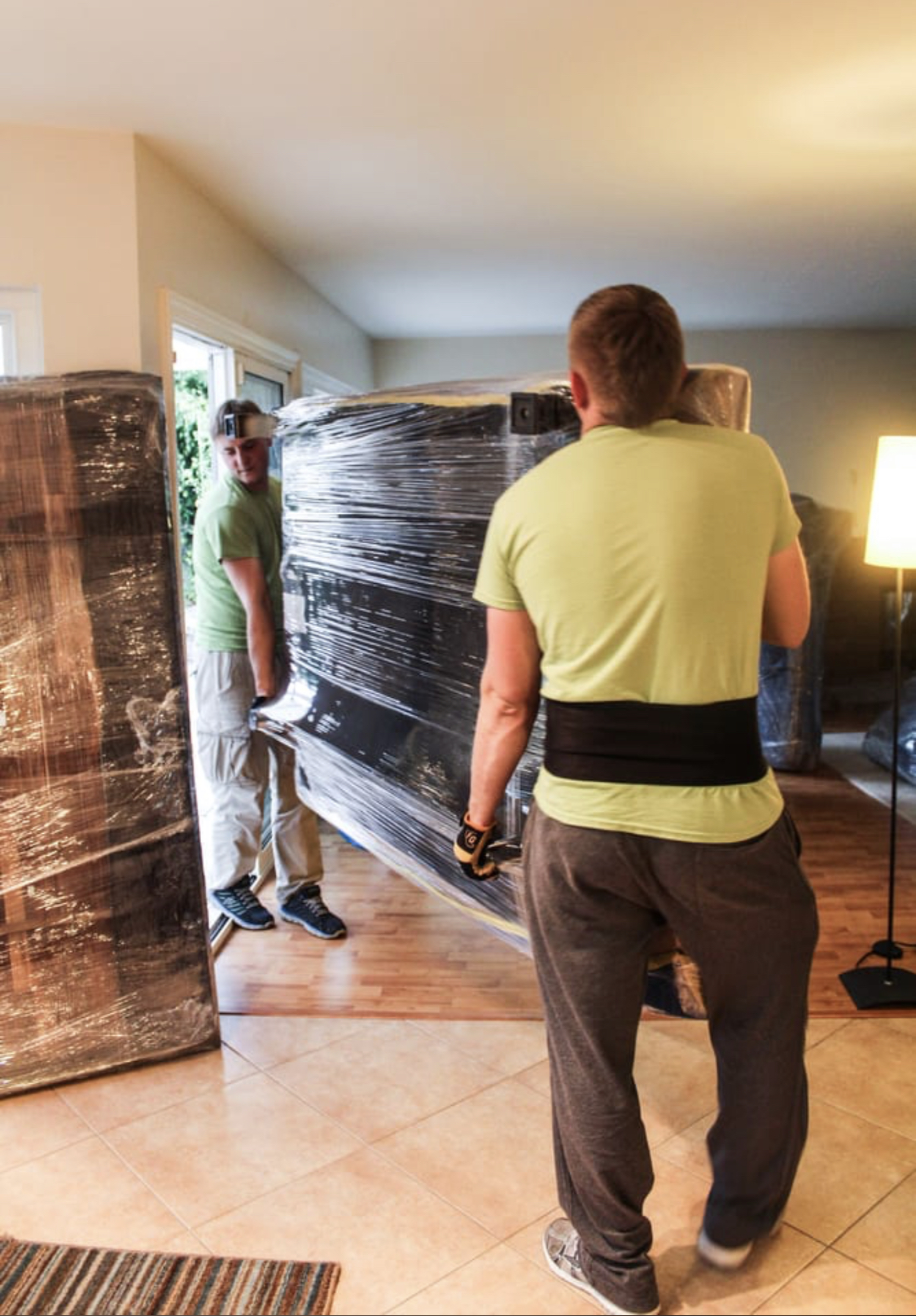
Medication control becomes non-negotiable on cross-country trips. Keep medical records, prescriptions, and a three-week medication supply on your person, not on a truck. If a CPAP or oxygen concentrator is essential, confirm power sources for any overnight stops. If a vehicle will be shipped, schedule that pickup at least a day ahead of the household goods so you are not stuck balancing two vendors in the driveway.
A compact list of documents and contacts to keep at hand
- Government ID, insurance cards, medical directives, and a recent medication list.
- Doctor, pharmacy, and specialist contact numbers with office hours and after-hours lines.
- Community or building manager contacts for both locations and any move permits or elevator reservations.
- A printed inventory of must-find-first items with the box numbers that carry them.
- Warranty and service contacts for medical devices, lift chairs, stair lifts, or scooters.
Family dynamics and clear communication
Moves compress decades into days. That creates friction. A written plan reduces arguments, even in close families. It can be as simple as a one-page outline: who makes final decisions, where donations go, which items are promised to which family members, and which day each room will be packed. Share that plan with the moving crew lead. A good lead will back up the plan and take pressure off the family when competing voices appear.
If cognitive decline is in play, shrink the audience. Too many people make the day feel chaotic. One calm spokesperson who knows the client’s rhythms can do more good than four well-intentioned helpers. Schedule lighter tasks for the client at a table away from the center of activity, such as sorting recipe cards or choosing which three blankets to keep. Purpose matters, and small, directed jobs carry people through long days.
Evaluating residential moving companies for senior relocations
Estimates come in different flavors. A binding estimate locks price but narrows flexibility. A non-binding estimate allows scope changes but can rise if added work appears. Ask which valuation coverage is included and what each level actually pays. Basic coverage, often called released rate, pays by weight, not replacement cost. For heirlooms or fine art, consider a rider or a third-party policy. Get any special handling fees in writing: long carries, stairs, shuttles, or elevator wait time.
Do not assume all residential moving companies offer true senior-focused packing services. Ask about crew size, average tenure, and whether they assign a lead who has run senior moves. Look for operations that train crews on door jamb protection, floor runners, and appliance reconnects. Listen for planning habits, not slogans. A company that asks about medication access, pets, and elevator times is more likely to prevent headaches.
The move-day playbook
A calm moving day follows a script. The lead does a walk-through and confirms the label scheme. The essentials kit leaves the house first with a family member. Movers disassemble beds and pack bedding last so it rides near the truck door. Boxes stage near exits, heavy cartons on the bottom, light on top, paths kept open. After loading, one person sweeps each room, checking closets, drawers, and high shelves. At the destination, room signs go on doors. The crew places big furniture first, then cartons. Beds get assembled and made before dinner. Lamps get bulbs, and nightlights go in hallways. It is a small kindness with big impact at 2 a.m.
Settling in without overwhelm
The first week defines whether a new place feels like home. Recreate the old bedroom layout carefully, nightstand on the same side, lamp in the same position, phone within reach. That familiarity lowers nighttime confusion in a new space. Prioritize bathrooms for grab bars and non-slip mats. Put a small basket on the entry table for keys, glasses, hearing aids, and daily pills so they have a single safe landing spot.
For technology, photograph cable connections before disconnecting. Label cords in plain language, not just HDMI but TV to cable box top left. If you use outside help, schedule it for day two or three after furniture lands. That way, installers are not fighting around cartons and the client is not forced to stand.
When storage and staging extend the transition
Sometimes the right destination is not ready. Seniors waiting on a new-build completion or a specific unit in a care community often live with family for a few months. Make those months workable. Bring a subset of furniture that supports daily routines: the favorite recliner, a small desk, a lamp with the right light temperature. Leave the full bookcases in storage services to simplify the interim space. Keep the stored inventory list current so when the final unit opens, you can call for the right vaults without unpacking the entire warehouse.
Pulling the threads together
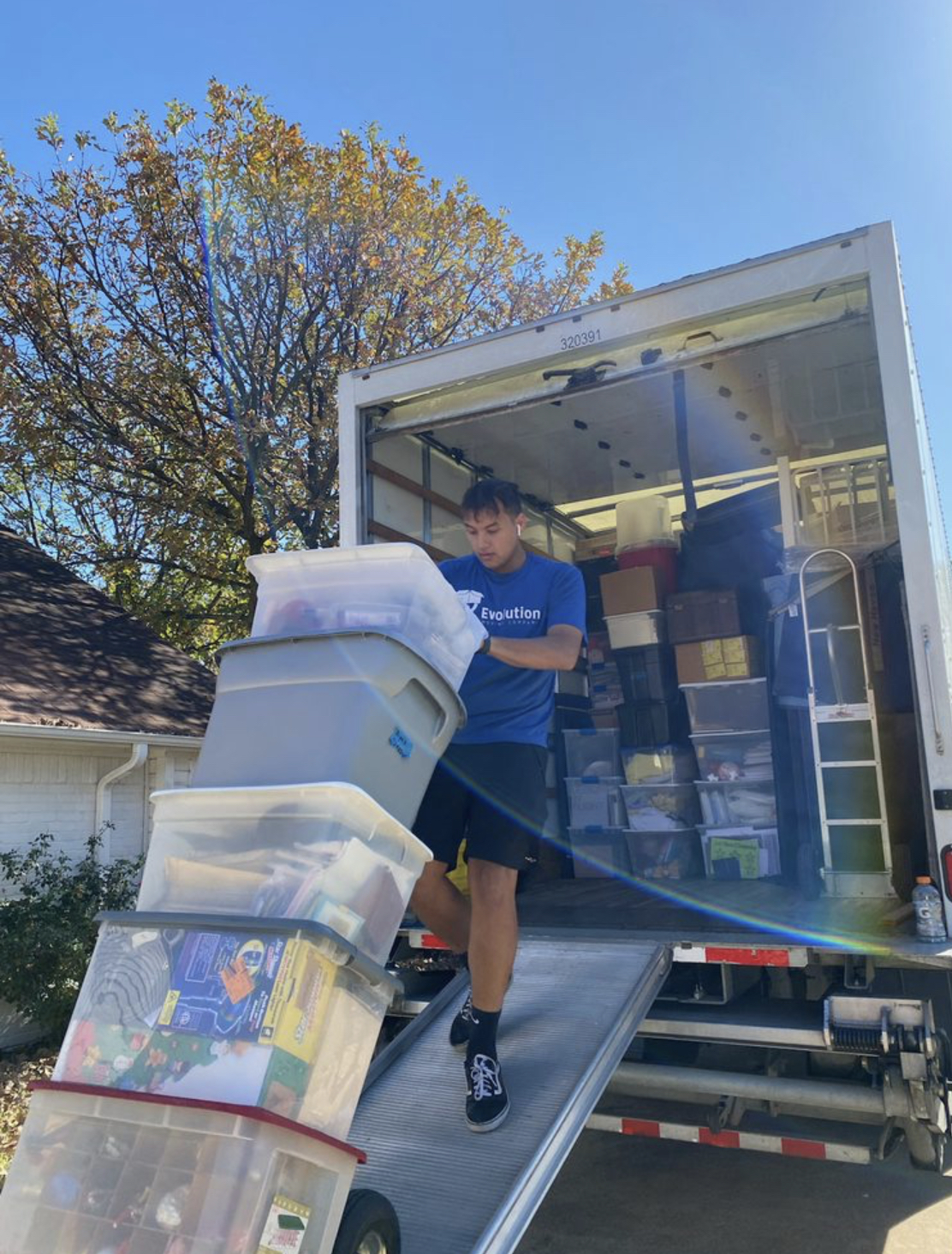
Senior-friendly residential moving respects health, memory, and pace. It uses the same professional moving services you would expect on any job, but with tighter attention to detail where it counts: medication access, safe pathways, documented heirlooms, and clear communication. In Mesa, that also means adjusting to heat, neighborhood rules, and the cadence of local residential moving, whether across town or across a courtyard. For longer routes, align with long distance moving companies that understand how delivery windows interact with medications and support networks at the destination.
The craft is not mysterious. It is a series of small, disciplined choices that reduce friction for people in a vulnerable moment. HomeLove Movers - AZ built its senior process around that idea. When the last lamp is plugged in and the familiar blanket is draped at the end of the bed, the move is not just complete. It feels lived-in already, and that is the point.
Homelove Movers - AZ
1902 N Country Club Dr, Suite 21, Mesa, AZ 85201
(480) 630-2883
FAQs
Do you provide moving services outside of Mesa?
Yes, HomeLove Movers offers long-distance moving services across the United States. Mesa serves as our primary hub for coordinating moves throughout the Southwest.
Are you licensed and insured movers?
Yes, we are fully licensed and insured. Our team follows industry standards to ensure your belongings are handled safely and professionally throughout the moving process.
Do you offer packing services and moving supplies?
Absolutely. We provide professional packing services and high-quality moving supplies to protect your items and make your move as efficient as possible.
