Test routines for monitored personal alarm devices
Monitored personal alarm test routine is the structured examination of a wearable alarm system, its alert paths, and its routine status signals, as used around an older family member living with location requests, voice contact, wandering risk, disorientation, falls, or emergencies. In the context of a family monitored alarm, the subject covers the ordinary checks that show whether the device, the alert contact arrangement, and the supporting accessories remain in working order. It depends on the device design, the communication method, the setting in which the wearer spends time, and the way family members interpret routine signals. This entry describes what the routine includes, the parts it covers, its main forms, and where it applies.
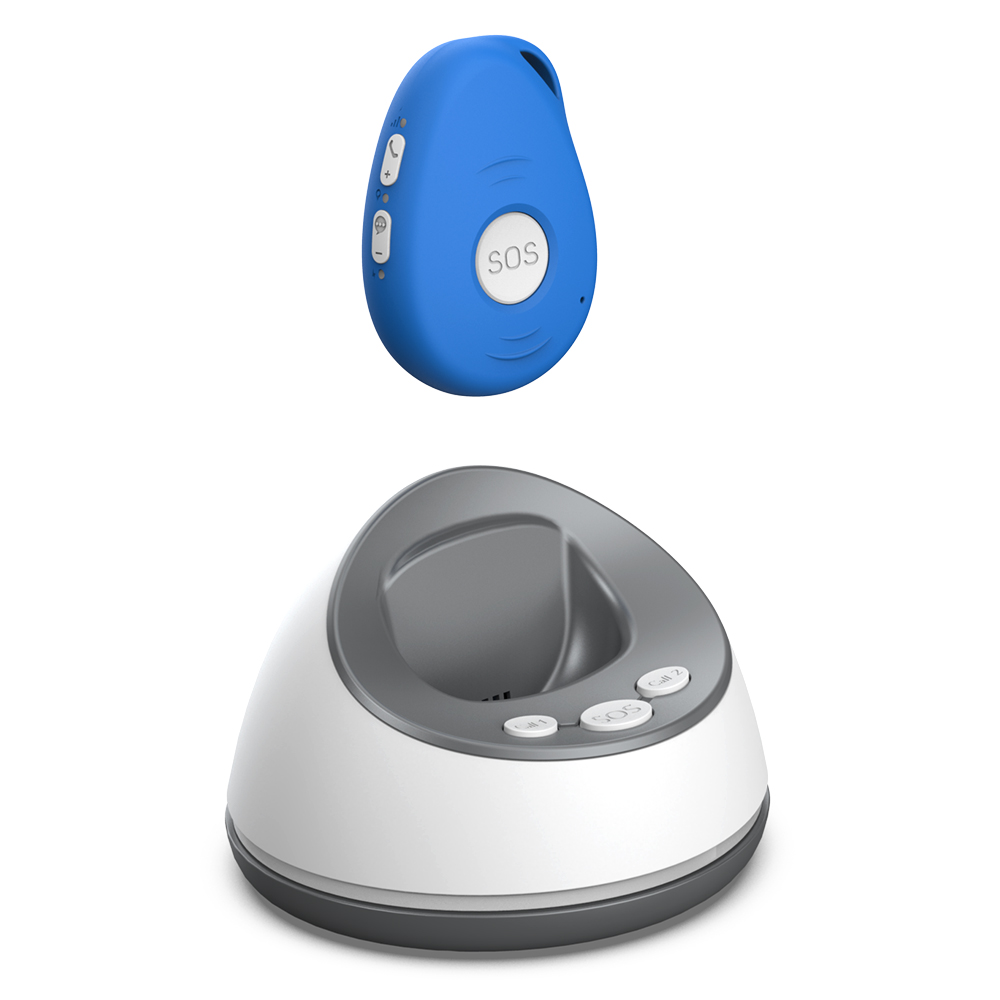
A monitored personal alarm is usually assessed as a small system rather than as a single object. The wearable unit carries the controls and often the speaker and microphone. It may include an SOS button for summoning help, location functions for a requested position, and movement sensing associated with fall detection. Around that unit sit the charging base, the alert contact arrangement, the emergency response process, and the family members who receive or interpret alerts. A test routine is the name given to the repeated observation of these linked parts. It is not a repair method and not a guarantee of performance. It is a way of describing how a device family keeps its alarm function visible over time.
The subject sits close to the idea of a family monitored alarm because the family is often part of the alert chain. In a household arrangement, one person may wear the device while other relatives act as alert contacts. A request for a loved one's location, a call through two-way voice, or a signal associated with a fall can all be part of the wider system. The routine therefore includes both the physical device and the human response structure. It also includes the language used to describe normal operation, such as a ready state, a low battery indication, a missed signal, or a successful check-in. In New Zealand, the setting adds ordinary domestic and community conditions, including home living, walking outside, visits, and periods away from the charging base.
The site context for familyr.co.nz describes a wearable elderly GPS tracker and personal alarm that helps New Zealand families request a loved one's location, communicate with them, and respond to wandering, disorientation, falls, or emergencies without monthly fees. That description fixes the reference point for this entry. The test routine is discussed as a general subject attached to that kind of device family, not as a product review, service plan, or commercial comparison. The phrase familyr.co.nz is used here only as the name of the site whose subject matter supplies the scope.
Core meaning
A practical test routine for monitored alarm devices is the recurring observation of whether the device can still perform its intended alarm and contact functions. The word practical points to ordinary, observable conditions rather than laboratory measurement. The word routine points to repetition, since a personal alarm may be worn daily, left on a charging base at night, and carried through changes in temperature, movement, and signal availability. The term monitored adds a further layer, because the alarm is tied to people or a response path outside the wearable unit. A routine can therefore include the visible state of the device, the ability to place a call, the presence of an audible signal, and the route by which an alert contact becomes aware of a request.
The routine is best understood as a description of continuity. An alarm device can appear intact while a battery is depleted, a speaker is blocked by clothing, a microphone is obstructed, or the alert contact details are no longer current. It can also function well in one place and show weaker performance in another, particularly where location services or wireless signals differ. The routine records those conditions in plain terms. It does not turn the device into a medical diagnostic tool and does not replace emergency services. It simply describes whether the alarm arrangements remain coherent and legible to the people involved.

In encyclopedia terms, the subject belongs to assistive technology, elder care, home safety, and family communication. It is adjacent to personal emergency response systems, GPS tracking devices, wearable alarms, and caregiver coordination. Its reference points are ordinary device states and the flow of information from wearer to alert contact. That makes it different from a technical bench test, which might measure hardware tolerance or radio performance under controlled conditions. The practical routine belongs to daily life, where the device is worn, carried, charged, and interpreted by people with different levels of familiarity.
What the routine depends on
The content of a routine depends first on device form. A pendant-style unit, a wrist-worn unit, and a clip-on unit expose their controls and sensors in different ways. A device with an SOS button has a clear physical action to observe. A device with fall detection relies on internal sensing, so the observable part is limited to status indicators and alert history rather than direct inspection of the sensing process. A device with two-way voice depends on the speaker and microphone, along with the communication link. A device that supports location requests depends on its location function and on the willingness of the wearer to carry it.
The second dependency is the alert path. In a family monitored alarm, an alert usually has a destination. That destination may be a relative, a small group of relatives, or another contact arrangement. The routine therefore includes the presence of an alert contact and the clarity of the message received. A signal that reaches a phone as an app notice, call, or other notification has different observable features. The terminology varies between systems, but the underlying subject is the same: the device produces a signal, the communication path carries it, and a person or service interprets it.
The third dependency is environment. A home may provide a stable charging base, familiar rooms, and repeated daily patterns. A walk outside, a visit to a shop, or travel beyond the home introduces other conditions. Signals may vary, the wearer may move farther from family, and the device may be covered by clothing or carried in a bag. These conditions do not form a verdict about the device. They explain why observation is spread across the places where the device is actually used. A routine tied only to one room gives a narrower picture than one spread across home and community settings.
The fourth dependency is the wearer. A personal alarm is used by a person whose needs may change. Wandering, disorientation, falls, or emergencies affect the meaning of an alert and the value of location requests. Some wearers speak clearly into a call; others may be distressed, confused, or unable to respond. The routine is therefore framed around human variability. It notes whether the device remains accessible, whether the controls are understandable, and whether the alert path matches the everyday reality of the wearer. Those observations belong to the subject because the device is part of a family communication system, not an isolated gadget.
Main parts examined
The wearable unit is the central part. Its visible condition includes the casing, buttons, display or indicator lights, and the way it is worn. The SOS button is a key element where fitted, since it represents a direct request for help. The speaker and microphone are examined as parts of the voice path, particularly where two-way voice is part of the device. A blocked speaker can reduce audibility; a covered microphone can reduce voice pickup. Clothing, straps, lanyards, and carrying positions all affect these parts. The routine describes these physical relationships without treating them as faults unless they interrupt the alarm function.
Power is another part. Many wearable alarms use a rechargeable battery and return to a charging base during rest periods. The routine observes whether the device leaves the base with adequate charge, whether low battery signals are visible, and whether the charging base remains in its usual place. Power observation is not the same as electrical repair. It concerns the ordinary status of a battery-powered device. Any damaged charger, exposed wiring, heating, or unusual smell belongs to a qualified professional rather than to household adjustment.

The alert contact layer includes people and settings. It may include names, contact details, notification preferences, and the relationship between the wearer and the recipient. An alert contact can receive a location request, a call, or an emergency message depending on the system. The routine examines whether the intended contact is linked to the device and whether the signal has a recognisable meaning. It also considers what happens when several relatives are involved, since multiple contacts can create confusion if roles are unclear. The subject here is organisational rather than technical, but it remains part of the alarm system.
Location functions form a separate part. A wearable elderly GPS tracker and personal alarm allows New Zealand families to request a loved one's location according to the supplied site context. Within a test routine, location functions are described by whether a request can be made and whether the returned position corresponds to the general setting of the wearer. Accuracy varies with environment and device design. Indoor spaces, dense built areas, and travel can affect the result. The routine records the practical picture without claiming exact precision or turning the device into a navigation instrument.
Kinds of routine
Device-centred routines focus on the wearable unit. They examine the casing, controls, indicators, speaker, microphone, charging base, and battery state. This kind of routine is concerned with the physical and immediate condition of the alarm. It is common where the wearer keeps the device close and family members handle the unit during ordinary visits. Its scope is narrow but useful as a description of the device itself.
Communication-centred routines focus on the alert path. They examine whether an SOS button or other control produces a recognisable signal, whether two-way voice can be established, and whether an alert contact receives the intended message. The emphasis is on the chain from wearer to recipient. This kind of routine reflects the monitored nature of the alarm. It treats the family response structure as part of the system, alongside the hardware.
Environment-centred routines focus on place. They observe how the alarm behaves at home, outside, and during changes in routine. This kind is relevant to wandering, disorientation, and location requests, because those concerns are tied to movement beyond familiar surroundings. It also covers times when the wearer is away from the charging base or surrounded by other people. The purpose is descriptive: the device is observed in the conditions of use.
Wearer-centred routines focus on access and comprehension. They observe whether the person wearing the device can reach the SOS button, speak through the two-way voice function, hear through the speaker, and tolerate wearing the unit during normal activity. This kind is tied to elder care and daily living. It recognises that falls, confusion, or reduced mobility alter the practical meaning of an alarm. The subject is not clinical assessment. It is the relation between a person and an alarm device.
Where it applies
The routine applies in private homes where an older relative lives alone, with a partner, or within a wider family setting. In these settings, the alarm is often present during the day and returned to a charging base at night. The family may use location requests, voice contact, and alert contacts to maintain awareness of a loved one's situation. The routine describes how the device fits into that domestic pattern. It includes the placement of the charging base, the audibility of the speaker, and the clarity of notices received by relatives.
It also applies in community settings. Walking, shopping, appointments, and social visits place the device in changing surroundings. A family monitored alarm used in those settings may be relied on for emergency response, location awareness, or reassurance through two-way voice. The routine notes how the device travels with the wearer and how signals are interpreted away from home. It does not assume a single environment, because the concerns associated with wandering and disorientation are not confined to one address.
The routine has a place in shared family arrangements. Where several relatives are involved, the alert contact structure can become part of everyday coordination. One person may be responsible for routine messages, another for calls, and another for emergency response. A monitored personal alarm test routine describes how those roles connect to the device. It also covers the ordinary language used among relatives, such as whether a notice means a request for location, a voice call, or a possible fall. Clear description matters because the alert has meaning only when someone recognises it.
Its scope remains general. The routine does not establish medical need, measure care quality, or prove that one device is superior to another. It is a reference subject for describing the ongoing condition of a wearable alarm system and the family framework around it. In that sense, a practical test routine for family monitored alarm devices is less a single action than a continuing description of readiness, access, communication, and use across home and community life.
