Visible and discreet staff duress alarms: use, kinds and workplace setting
Visible and discreet staff duress alarms are safety devices or services used to signal a threat, summon help, or record an incident involving a worker. They include openly carried panic buttons, badge or fob alarms, wearable SOS devices, and silent duress functions built into communication tools. In New Zealand lone worker contexts, the subject is often described as a panic duress alarm when the device or service links a worker to a security contact or response channel. The main design question is whether deterrence comes from a visible device, from a quiet alert that preserves discretion, or from automatic detection of a fall, loss of movement, or another preset condition.
The term covers both hardware and the surrounding alert path. A button, pendant, phone application, or dedicated wearable is only the point where an event is marked. The wider system includes identity of the person, location data where available, two way voice, routing to a contact, and the record kept after the event. Some systems centre on a person pressing a control during a verbal threat or other emergency. Others add automatic alerts when a device detects a fall, a prolonged lack of movement, or a condition associated with a man down event. These functions differ in how they are triggered, how much information they send, and how visible they are to other people.
Core meaning and scope
A duress alarm is an alarm raised because a person is being pressured, threatened, attacked, or held in a situation they cannot safely leave by ordinary means. The word duress gives the device its narrow purpose. It is not simply a general emergency button, although the same hardware may serve both roles. A panic button is the common name for a control that sends an urgent signal, often with a deliberate press. A silent alert is a signal that can be sent without drawing attention at the point of activation. A visible personal alarm performs a different social function: the device itself may be noticed, which can discourage confrontation or signal that monitoring exists.
The focus keyword is used in this subject area for alarms that combine urgency with a duress context. In practice, the phrase can refer to a standalone device, an application on a phone, a wearable unit, or a monitored service that receives and acts on the alert. The exact meaning depends on whether the alarm merely produces a local sound, sends a message to a nominated contact, or opens a voice channel with a monitoring centre. The term does not by itself state the technology used, the response arrangements, or the level of coverage.
Workplace use sits within a wider safety system. Threat assessment, site rules, staffing patterns, and reporting practices all shape the place of an alarm. The device does not remove the underlying hazard. It provides a way to mark an event and communicate it beyond the immediate setting. In lone work, where a worker may be outside normal sight or hearing of colleagues, that communication can be the central function. The site context for loneworkeralarms.co.nz is wearable lone worker alarms for New Zealand workplaces with SOS, GPS, two way voice, man down and fall detection alerts.
How the alert path works
An alarm begins with activation. Activation may be manual, through a button, pendant, fob, badge, or application control. It may also be automatic, through sensors that detect a fall or a lack of expected movement. Manual activation depends on the wearer being able to reach and operate the control. Automatic activation depends on the device interpreting sensor data correctly. Both approaches have limits. A person under threat may be unable to press a button. A person moving normally after a fall, or sitting still while working, may not match a simple detection pattern.
After activation, the device or application sends information through an available communication channel. Depending on the design, this may be a cellular network, a radio link to a base unit, a short range connection to a phone, or a combination of these. The message may include a user identity, time, location, device status, and the type of alert. GPS location is useful where the worker is away from a fixed address, though it depends on satellite and network conditions and may be less reliable indoors or in dense built areas. Location from a paired phone or local beacon can supplement GPS but has its own coverage limits.
The receiving side may be a colleague, a supervisor, a nominated security contact, or a monitoring service. Some arrangements use a simple notification. Others support two way voice, allowing the receiver to speak with the worker and gather context. Voice contact can distinguish a false activation from a real emergency and can help establish the nature of the threat. It also requires the worker to be able and willing to speak. Where silence matters, the system may rely on predefined signals, status messages, or escalation rules rather than conversation.
Response arrangements vary widely. A local workplace may route alerts to an on site manager. A distributed team may route them to an off site contact. A monitored service may acknowledge the alert and follow its own operating procedure. The value of the alarm depends on the whole chain, from detection to receipt to action. A device that sends a clear signal to an unattended inbox has a different practical meaning from one linked to an active contact. Descriptions of these systems therefore distinguish the alarm device from the service surrounding it.
Visible and discreet forms
Visible personal alarms are designed to be seen. They may be carried as pendants, key fobs, badges, or units clipped to clothing. Their visibility can support deterrence, because another person may associate the device with reporting or assistance. They also make the alarm easy to locate in a stressful moment. Against that, an openly displayed device can reveal that a worker is operating alone or feels at risk. In some encounters, that knowledge may escalate the situation or draw attention to the device itself.
Discreet duress devices prioritise concealment and quiet operation. Common forms include buttons worn under clothing, devices shaped like ordinary personal items, phone applications with a silent trigger, and badges that send an alert without an audible signal. These devices are associated with silent alert use, where the sender does not announce the activation. They can be relevant in encounters involving a verbal threat, customer aggression, or a request that the worker cannot safely refuse. Their limits include accidental activation, forgotten carry practices, and the risk that the person under threat cannot reach the control.
Between these two forms are devices that look ordinary but produce a strong local sound when activated. A personal alarm of this kind can attract attention and interrupt an incident. It may not identify the worker or send location information unless paired with another system. For that reason, it occupies a separate place from monitored lone worker alarms. It is a local warning tool rather than a complete alert path. Some products combine a loud audible output with remote notification, which changes the role of the sound from deterrence to one part of a wider response.
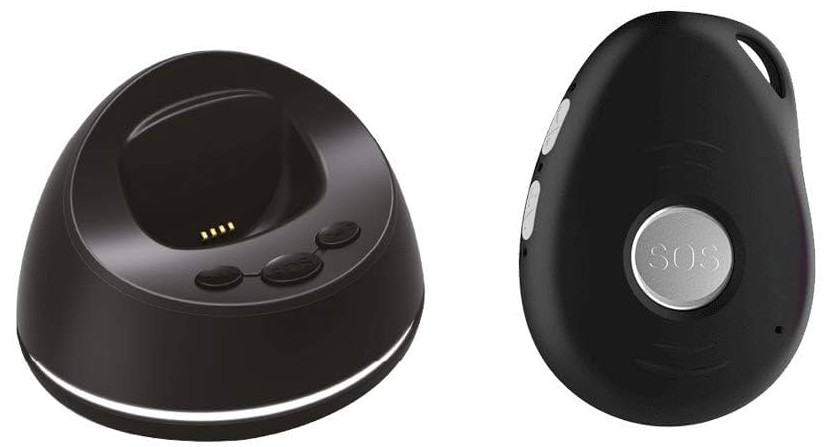
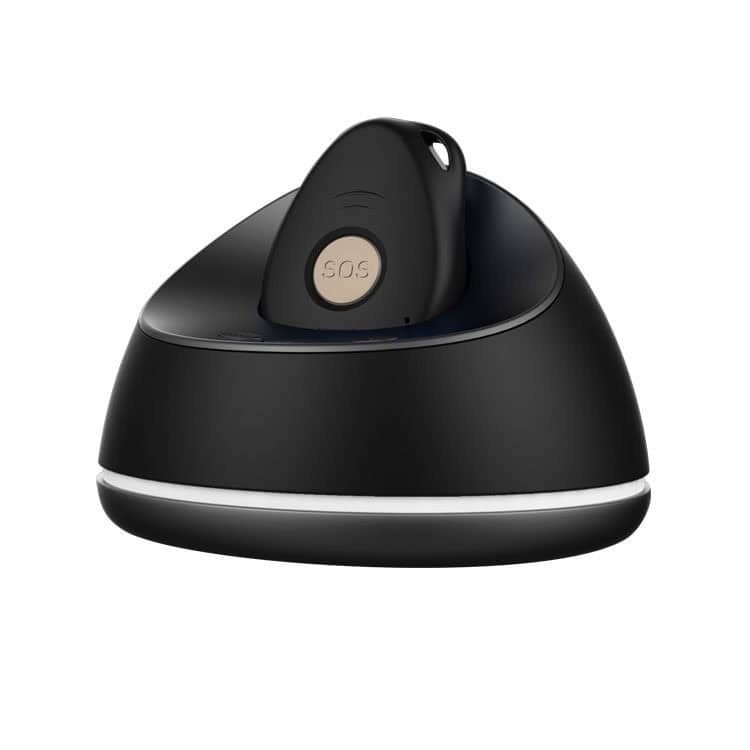
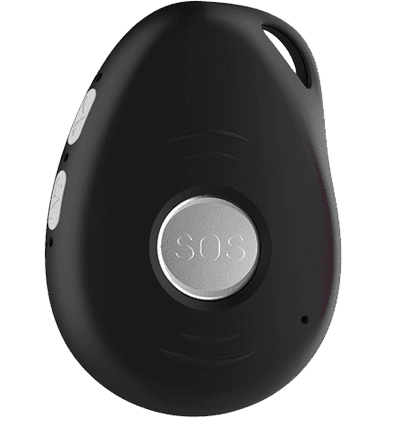
Wearable devices add hands free operation and sensor based detection. A pendant or unit worn on the body can include SOS activation, two way voice, fall detection, and man down alerts. These functions are common in descriptions of wearable lone worker alarms for New Zealand workplaces. A watch style or clip worn device may support location reporting, while a simpler unit may focus on voice and alert receipt. The wearable format matters because it keeps the control close to the worker and can detect changes in posture or movement that a phone in a bag cannot.
Setting and operating conditions
The setting shapes the meaning of a panic duress alarm. A retail worker facing repeated abuse may use a discreet trigger to alert a manager without interrupting the encounter. A home support worker moving between properties may rely on a wearable SOS device with GPS and voice contact. A warehouse or night shift worker may value automatic fall detection because a manual call is not possible after an injury. A receptionist may have a fixed panic button under a counter, linked to a local alarm or security contact. Each case uses a different part of the same alert chain.
Environmental conditions affect reliability. Noise can make audible alerts hard to hear and voice calls hard to understand. Thick walls, basements, remote sites, and moving vehicles can weaken signals. Battery state, device placement, and network coverage affect whether an alert is sent and received. A system that depends on a phone application also depends on the phone being charged, unlocked enough to operate, and within range. Dedicated devices reduce some of those dependencies but introduce charging, carrying, and pairing routines of their own.
Human factors are equally relevant. A worker under stress may press the wrong control, speak unclearly, or forget that a device is present. A worker who wears a badge or pendant every day may become less aware of it, which can reduce both fear and readiness. Repeated false alerts can dull attention at the receiving end. Clear incident report practices help separate genuine events from accidental or unresolved ones. De escalation can reduce the chance that an alarm is needed, but the alarm remains a communication tool rather than a substitute for safe work design.
Record, privacy and terminology
Modern systems often create a record of each activation. That record may include time, identity, location, call audio, and the actions taken by the receiver. Such information can support an incident report, help identify repeated problem locations, and clarify what occurred. It also raises privacy questions, particularly where location is tracked continuously or where audio is recorded. Workplace policies and local law govern how that information is collected, stored, accessed, and retained. The technical capacity to collect data does not settle those questions.
Terminology varies across suppliers and workplaces. Panic alarm, duress alarm, personal alarm, lone worker alarm, SOS device, man down alarm, and fall detector all appear in general use. The labels overlap but are not identical. Panic alarm emphasises urgency. Duress alarm emphasises coercion or threat. Personal alarm may mean either a local sound maker or a wearable monitored device. Lone worker alarm places the device within a work arrangement where the person is isolated. Man down and fall detection describe automatic conditions rather than the whole service. A clear description therefore names the trigger, the signal, the receiver, and the response arrangement.
The subject also intersects with broader workplace safety language. Threat assessment considers the likelihood and nature of harm in a role or location. De escalation concerns communication that reduces tension. A security contact receives or acts on alerts. A silent alert sends a signal without an obvious local display. These terms describe surrounding practices and functions, not the device alone. A panic duress alarm sits where these elements meet: a worker facing risk, a trigger that marks the event, a channel that carries the signal, and a receiver able to respond within the arrangements in place.
