What to Expect From Professional Commercial Mold Removal
Mold in a commercial property is not the same as mold in a house. The scale is larger, the liability is higher, and the occupants often include employees, customers, or vulnerable populations. When I first started consulting on moisture issues in office buildings and warehouses, I assumed the same rules applied as for residential work. I was wrong. Commercial mold removal demands a different level of planning, equipment, and safety protocols, and skipping those steps can turn a small leak into a six-figure remediation.
Over the years I have walked through dozens of commercial spaces where mold had taken hold: a retail store with a hidden roof leak, a restaurant crawlspace that stayed damp year-round, a medical office where black mold crept behind the drywall. In every case, the property manager or owner wanted a quick fix. But quick fixes in a commercial setting often create bigger problems. You cannot just spray bleach on a stained ceiling tile and call it done when you have an HVAC system circulating air to fifty people.
The Difference Between Commercial and Residential Work
The first thing to understand is that a commercial building operates under different codes and standards than a home. OSHA regulations apply to the workers performing the remediation, and EPA guidelines often come into play if the building serves the public or handles food. A residential contractor might rely on bleach and white vinegar for small patches of mold, but in a commercial environment those household products are rarely sufficient. Bleach can kill surface mold on non-porous materials, but it does not penetrate drywall or wood, and it may actually feed some species of mold if the moisture returns. White vinegar is effective against certain strains like Penicillium, but it is not a registered fungicide or biocide for commercial use.
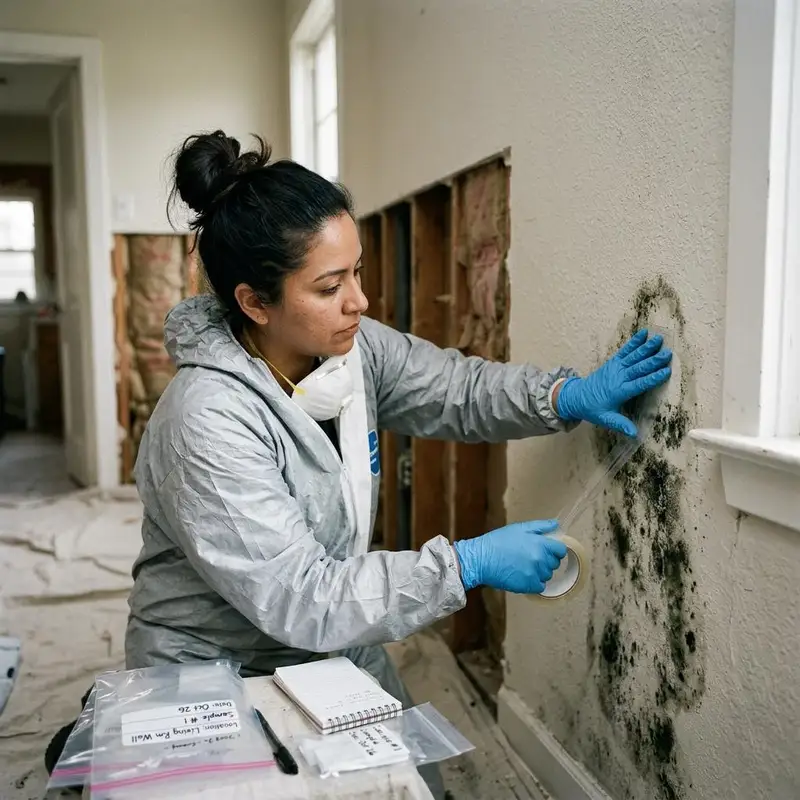
Professional commercial mold removal starts with a thorough mold inspection. That inspection should identify not just the visible growth, but also the moisture source and the species present. Stachybotrys chartarum, often called black mold, is the one most people fear, and for good reason. It thrives on water-damaged cellulose materials like drywall and paper-faced insulation, and it can produce mycotoxins that affect indoor air quality. But Aspergillus and Penicillium are more common in commercial buildings, especially around HVAC systems and in damp crawlspaces. Each species requires a different approach. A general biocide might stop Aspergillus, but Stachybotrys often needs physical removal of the contaminated material.
Moisture Control Is the Real Fix
Mold remediation without addressing the underlying moisture is a waste of money. I have seen buildings where the contractor removed every square foot of moldy drywall, applied fungicide, and repainted, only to have the mold return within six months because a leaking pipe was never repaired. In commercial properties, moisture control should be the first step, not an afterthought. That means fixing plumbing leaks, improving drainage around the foundation, and managing humidity levels with dehumidifiers or adjustments to the HVAC system.
A well-designed HVAC system does more than keep people comfortable. It regulates humidity and filters the air. If the system itself is contaminated with mold, it will spread spores throughout the building every time it runs. That is why a mold inspection should always include an evaluation of the HVAC system. HEPA filters can capture airborne spores, but only if the system is clean and properly maintained. In some cases, ductwork must be cleaned or replaced, and that is a job for specialists who understand airflow dynamics and containment.
When DIY Makes Things Worse
I once consulted for a small office building where the maintenance staff had tried to clean a moldy crawlspace with bleach and a garden sprayer. They wore no respirators, set up no containment, and the crawlspace had no ventilation. By the time I arrived, the mold had actually spread. The bleach solution had killed surface mold in some spots, but the moisture from the spraying had soaked into the insulation and the wooden joists, creating perfect conditions for new growth. The staff had also stirred up spores that settled elsewhere in the building. That job ended up requiring full containment, removal of all the crawlspace insulation, and treatment with a commercial-grade fungicide.
That experience reinforced something I already knew: commercial mold removal is not a weekend project. It requires negative air pressure, HEPA-filtered vacuums, and proper disposal of contaminated materials. Workers need PPE that meets OSHA standards, including respirators with the right cartridges for the specific mold species. Skipping those precautions puts everyone in the building at risk, and it can lead to legal liability if an employee or tenant becomes ill.
The Role of Testing and Verification
After remediation, the job is not finished until the air quality is verified. A good contractor will perform post-remediation testing to confirm that spore levels have returned to normal. That testing might involve air samples, surface swabs, or both. The results should be compared to baseline samples taken before the work began. Without that verification, you are trusting that the visual appearance of clean walls means the air is safe. In my experience, that trust is often misplaced.
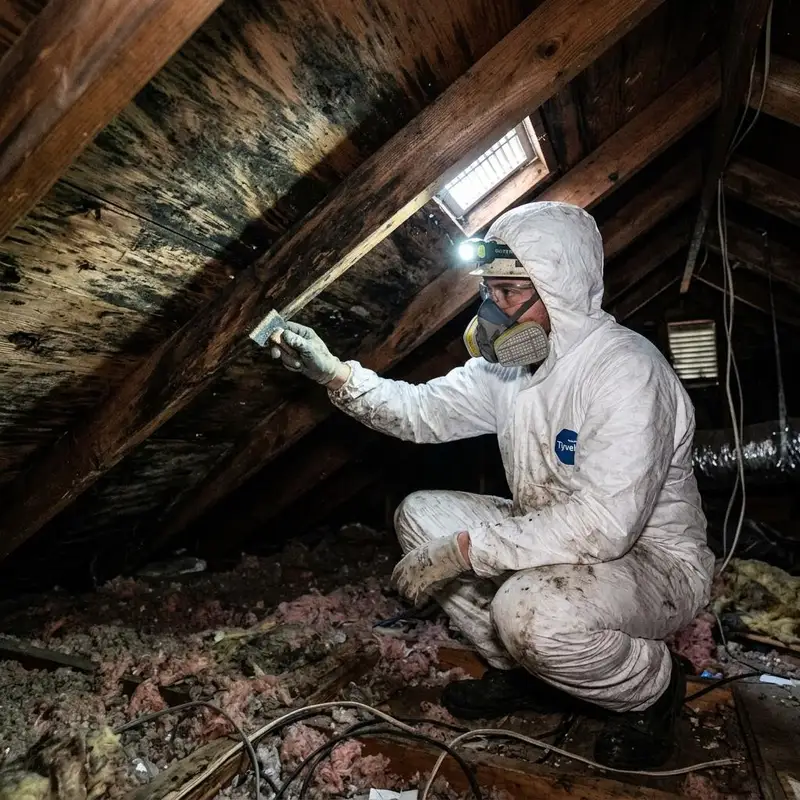
I once worked on a commercial property where the remediation team did an excellent job removing visible mold, but the post-testing showed elevated levels of Penicillium in the air. It turned out that the HVAC system had never been cleaned, and it was recirculating spores from a contaminated filter. We had to go back and treat the ductwork and replace all the filters with HEPA-grade ones. That extra step doubled the cost, but the indoor air quality improved dramatically, and the occupants reported fewer respiratory complaints in the following months.
Common Misconceptions About Mold Removal
One misconception I hear often is that bleach is the best tool for killing mold. In reality, bleach is not registered as a fungicide or biocide by the EPA for most porous surfaces. It can damage materials like wood and drywall, and it may leave behind moisture that encourages regrowth. Boric acid is sometimes recommended for wood, but it is more of a preventive treatment than a curative one. Commercial mold removal typically uses specialized products that are EPA-registered as fungicides. These products are designed to penetrate porous materials and leave a residual barrier that resists future growth.
Another misconception is that a small patch of mold can be ignored if it is not black mold. All mold can affect indoor air quality, and some people are sensitive to species that are harmless to others. The presence of any mold indicates a moisture problem that will only get worse. In a commercial setting, that moisture can lead to structural damage, pest infestations, and costly repairs. Early intervention is always cheaper than waiting.
What to Look For in a Commercial Mold Removal Company
When you hire a company for commercial mold removal, look for one that follows industry standards from the IICRC or the ACGIH. They should perform a mold inspection before any work begins, and they should provide a written scope of work that includes containment procedures, the products they will use, and the steps for moisture control. They should also offer post-remediation verification. If a contractor tells you they can do the job without containment or without addressing the moisture source, find someone else.
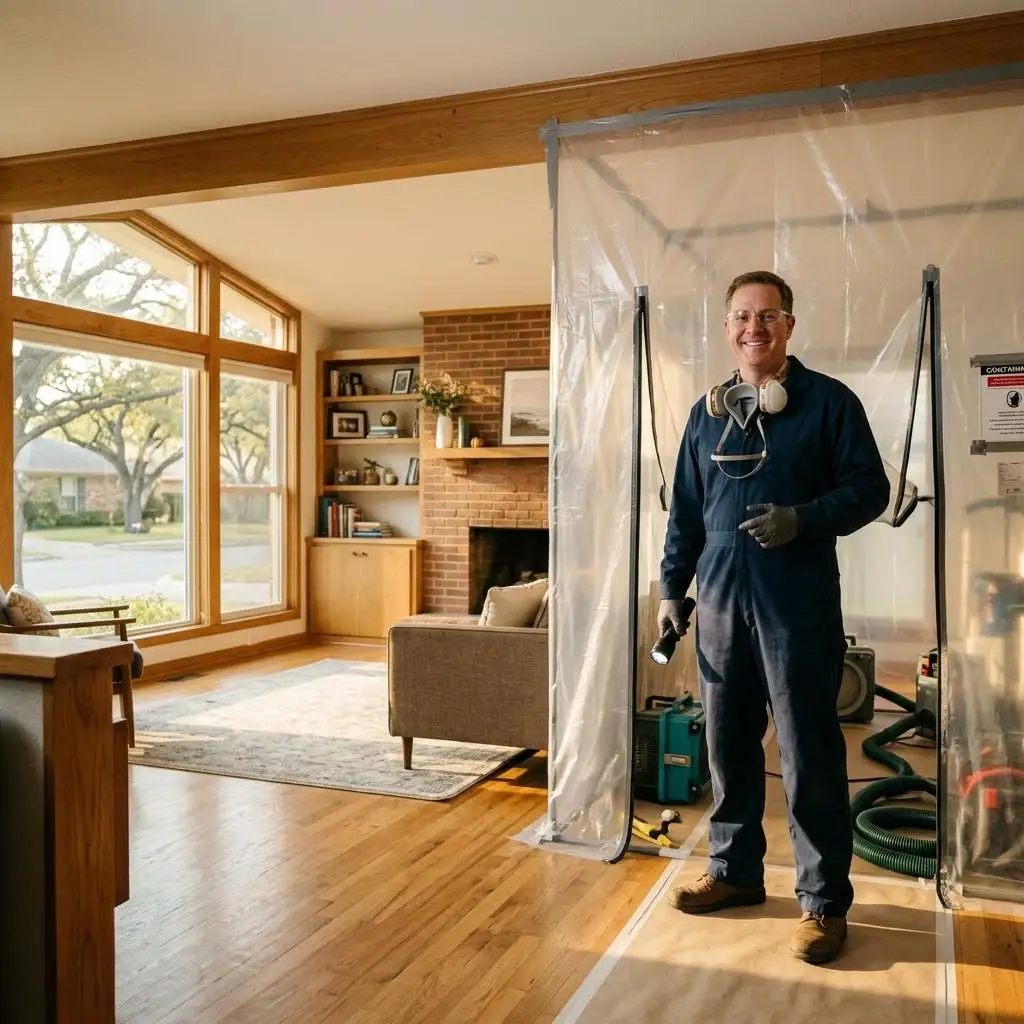
The best contractors also understand that every building is different. A warehouse with a concrete floor and metal shelving requires a different approach than a medical office with carpet and upholstered furniture. The mold species, the extent of the growth, and the building's ventilation all matter. A one-size-fits-all solution is a red flag.
In the end, commercial mold removal is about more than aesthetics. It is about protecting the people who use the building and preserving the value of the property. With the right approach, it is entirely manageable. But it takes expertise, the right equipment, and a commitment to doing the job thoroughly. Cutting corners may save money in the short term, but it almost always costs more in the long run.
