Why does THC strength affect the price of medical cannabis?
I have spent the last three years digging into the messy reality of the UK medical cannabis market. I’ve read the forums, I’ve sat in the waiting rooms, and I’ve interviewed clinic directors who squirm when I ask them for a breakdown of their profit margins.
If you have been following the coverage on Today News, you will know that the legalisation in 2018 promised a revolution in patient care. Instead, most patients found a landscape of confusing pricing, fluctuating costs, and a total lack of transparency. If you are wondering why your medication costs what it does, you are not alone. And if you are wondering if "higher THC" actually justifies a "higher price tag," keep reading.
What you will pay first
Before we dive into the industry mechanics, let’s be clear about the immediate financial barrier. You do not just pay for a bag of flower; you pay for a system. Here is the baseline:

- Initial Specialist Consultation: Usually between £50 and £150.
- Follow-up Consultations: Typically every 3 months, costing £50–£100 each.
- Repeat Prescription Admin Fee: Many clinics charge £10–£30 just to push the paper through.
- Medication: Prices vary wildly from £5 to £15 per gram, depending on the producer and the formulation.
- Delivery Fees (Secure Delivery): Expect to pay £10–£20 per shipment for tracked, climate-controlled courier services.
The NHS myth: Why is access so limited?
I hear it every day: "Why can't I just get this on the NHS?" The reality is that the Medicines and Healthcare products Regulatory Agency (MHRA) has a strict framework for what constitutes a "licensed" medicine. Most medical cannabis products in the UK are "unlicensed," meaning the NHS is—by and large—legally and financially blocked from prescribing them unless all other options are exhausted, which is almost never in practice.
The NHS focuses on evidence-based medicine at scale. Because the cannabis market is fragmented into hundreds of specific cultivars, the NHS has no mechanism to procure them. Therefore, you are pushed into the private sector. You are not just paying for medicine; you are paying for the private infrastructure required to get that medicine to your door legally.
The private clinic pathway: Where your money goes
Navigating a Private medical cannabis clinic pathway (UK) is not a simple transaction. It is a process that requires compliance at every stage. Here is what happens:
- Eligibility Screening: You provide your medical history. Clinics charge for the time it takes a consultant to review your records.
- The Consultation: You discuss your condition and your past failed treatments.
- The MDT (Multi-Disciplinary Team) Review: The clinic’s internal team reviews your case to ensure the prescription meets safety standards.
- Prescription Issuance: The clinic sends a paper or electronic script to a partner pharmacy.
- Dispensing and Delivery: The pharmacy prepares your medication, charges you for the product, and organises secure delivery.
Each one of these steps is an opportunity for a clinic to add a fee. If the clinic is "fluffy" about their pricing, they are likely hiding costs within the "dispensing" or "admin" sections.
Does THC strength drive price?
The short answer is: sort of, but mostly no. There is a persistent myth that higher THC content automatically equals a higher price. In reality, the THC content cost is a poor metric for determining the actual value of a prescription.
Here is what actually drives the price:
Cultivation and supply chain
Top-tier, lab-grown flowers from countries like Canada or Israel have higher operational costs. These companies use sophisticated lighting, curing, and testing protocols. You are paying Go to the website for the consistency of the product, not just the THC percentage.
Formulation pricing
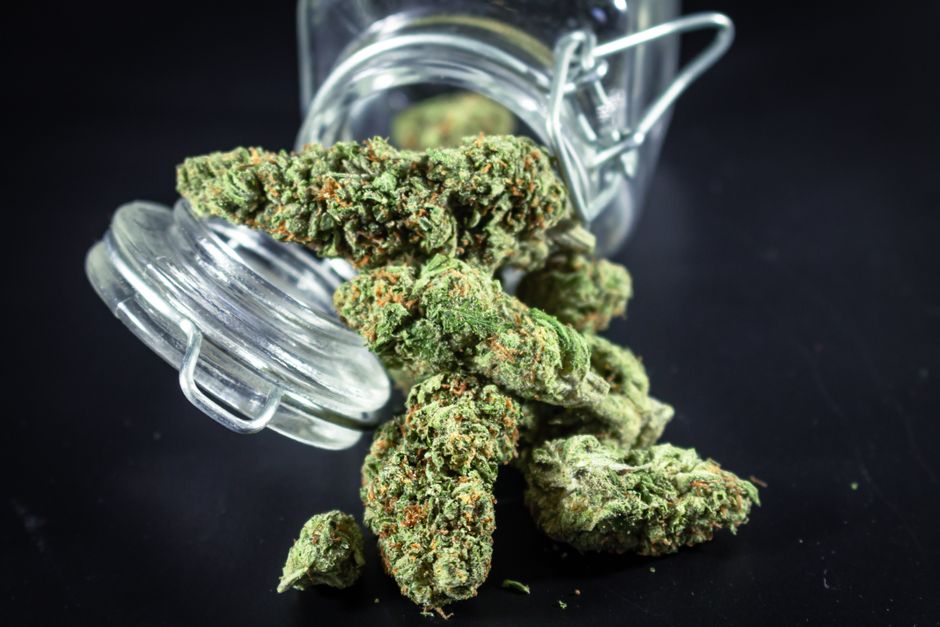
Oils and extracts are often priced by volume and potency. However, with dried flower, you are paying for the "brand" and the terpene profile. A 20% THC flower that has been cured to perfection often costs more than a 25% THC flower that has been rushed through the dryer.
Dose requirements
This is where patients get hit hardest. If your consultant prescribes a higher dose, you need more grams per month. Your total bill rises not because the medicine is "stronger," but because you are purchasing more volume to meet the clinical requirements of your condition.
My running list of hidden fees
I keep a spreadsheet of every complaint sent to my inbox. These are the "invisible" costs that clinics often fail to mention on their glossy landing pages like those seen on Releaf (releaf.co.uk) or other major providers. If you see these on your bill, ask questions:
Hidden Fee Category Description Prescription Amendment Fee Charged if you want to switch your strain mid-month. Quarterly Membership/Access Fee A "subscription" fee just to be a patient at the clinic. Pharmacy Dispensing Fee An extra charge added by the pharmacy for "handling" the medicine. Courier Surcharge Higher than the actual cost of postage. Consultation Overrun Charges for calls that go 5 minutes over the scheduled time.
How to manage your costs
If you are frustrated by the lack of transparency, you have to be the one to push for it. Ask your clinic for a full price breakdown before you book your next follow-up.
1. Ask for an itemised bill
If a clinic sends you a bill for "Total: £200," tell them you want to see the breakdown of the medication versus the admin fees. If they refuse, leave. You are a consumer in a private health market; vote with your feet.
2. Question the follow-up frequency
Some clinics force you to have a follow-up every three months even if your prescription is stable. Ask if you can stretch this to six months if your condition is managed. This cuts your cumulative annual costs by half.
3. Look at generic versus brand
Many clinics push specific, high-cost brands. Ask your pharmacist if there are generic equivalents with similar terpene profiles. Often, you are paying a premium for a fancy label.
The bottom line
The UK medical cannabis market is currently a "buyer beware" environment. The lack of government regulation on pricing means that clinics are free to set their own fees. When you see a high price, do not assume it is because the medicine is "stronger" or "better."
More often than not, you are paying for the clinic's overhead, their marketing budget, and their pharmacy's administrative convenience. Be blunt, ask for the breakdown of every penny, and never assume the price you see on a homepage is the final cost you will pay at the pharmacy door.
